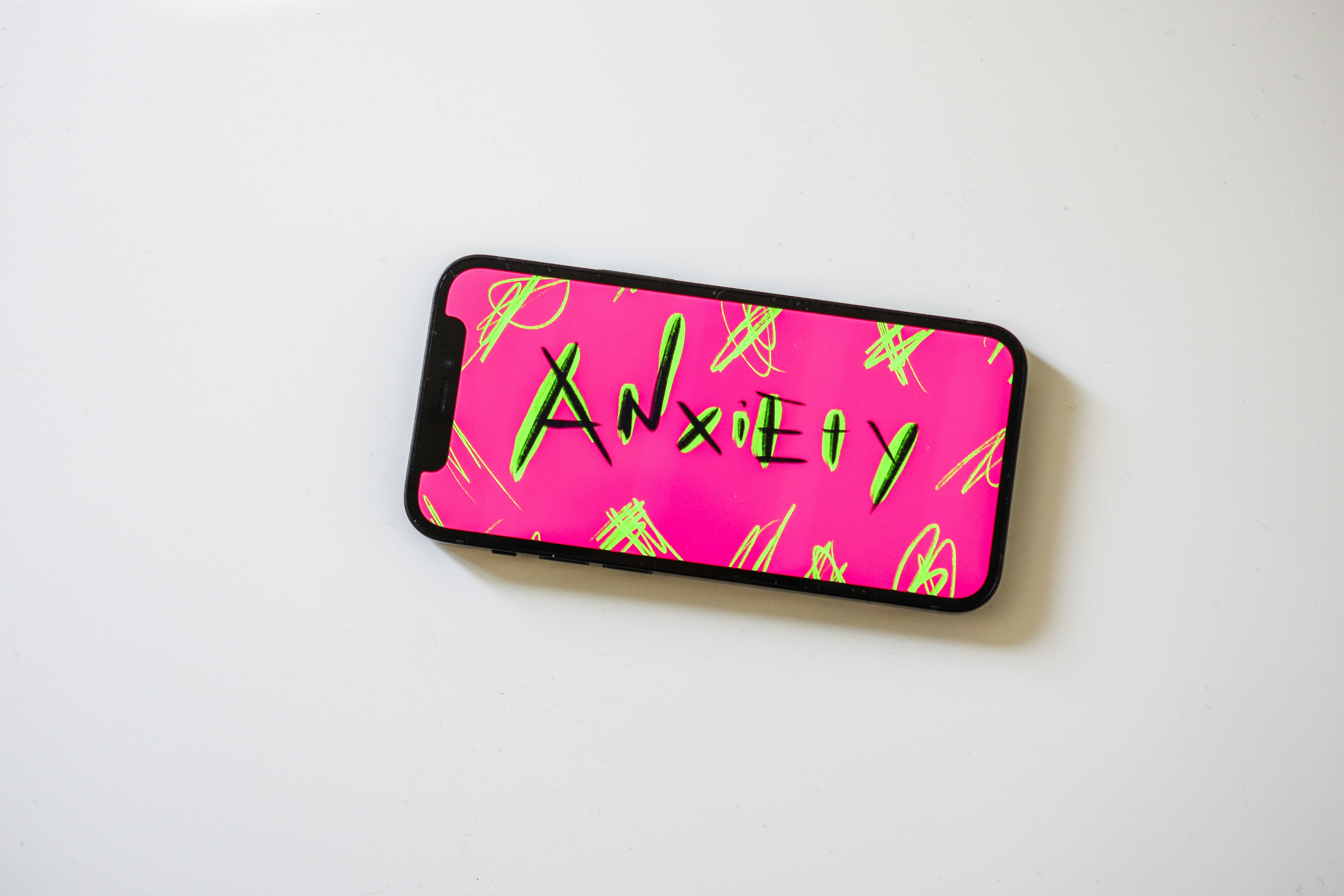
The day ends. The distractions stop. And suddenly the thing you have been outrunning for sixteen hours is sitting on the edge of your bed, waiting.
Anxiety at night is not random. It is not a sign that something is uniquely wrong with you. It is a predictable consequence of how the anxious mind interacts with rest, and understanding the mechanism is the first step toward changing it.
The Nervous System After Dark
The human nervous system is designed to evaluate threat. During the day, that evaluation is interrupted constantly by tasks, conversations, movement, and sensory input. The busy mind is, among other things, a distraction from itself.
At night the distractions disappear. The prefrontal cortex, responsible for executive function and rational evaluation, begins to quiet. The amygdala, the brain's threat-detection center, does not. What results is a threat-detection system running without its primary moderator. Worries that felt manageable at 2pm feel catastrophic at 2am. This is not irrationality. It is neurology.
For people with anxiety disorders, this dynamic is amplified. The amygdala is already calibrated toward hypervigilance. The nervous system is already spending more of its baseline capacity on threat detection. Take away the daytime distractions and what remains is a system doing exactly what it was trained to do: scanning, evaluating, preparing for danger that is not actually present.
Racing Thoughts and the Rumination Loop
Nighttime anxiety most commonly presents as rumination. The looping return to the same worries, conversations, scenarios, and catastrophic projections. The mind that cannot solve the problem during the day attempts to solve it at night, when the conditions for problem-solving are worst and the emotional amplification is highest.
Rumination is not thinking. It is the simulation of thinking without any of thinking's resolution. The same material gets processed repeatedly, each pass adding emotional weight rather than clarity. This is why people describe lying awake for hours without having actually worked anything out.
The cognitive patterns underlying rumination are addressable. CBT has a strong evidence base specifically for the thought loops that sustain nighttime anxiety, targeting probability overestimation, catastrophizing, and the belief that worrying constitutes preparation. The goal is not to stop thinking at night. It is to change what the mind does with uncertainty when the lights go out.
When the Body Holds What the Mind Cannot
For people with trauma histories, nighttime anxiety often has a somatic dimension that cognitive approaches alone do not fully reach. The hypervigilance that developed in contexts where nighttime was genuinely unsafe does not resolve simply because the current environment is safe. The body learned something. It has not been told it can unlearn it.
EMDR is particularly effective for this presentation. It works with the specific experiences that trained the nervous system toward nocturnal hypervigilance, reduces their emotional charge, and allows the body to update its baseline threat assessment. People who have struggled with nighttime anxiety for years often describe EMDR as the first approach that changed something talk therapy had not touched.
What You Can Do Tonight
The evidence-based interventions for nighttime anxiety are not complicated, though they require consistency.
A consistent sleep schedule regulates the circadian rhythm and reduces the cortisol variability that amplifies anxiety. A genuine wind-down period, not scrolling, creates a transition between the demands of the day and the conditions for rest. Writing down worries before bed externalizes the rumination loop and reduces the mind's compulsion to rehearse them internally. Diaphragmatic breathing activates the parasympathetic nervous system and directly counteracts the physiological arousal that anxiety generates.
These are management tools. They create enough stability to make deeper treatment work.
If nighttime anxiety has been disrupting your sleep and your life for longer than a few weeks, it is worth treating at the source. The anxiety does not only exist at night. Night is simply when it becomes impossible to ignore.
A free consultation at Bayside Wellness and Counseling is available to explore what approach fits your specific presentation.