The Holiday Relationship Trap: Why Family Visits Are So Hard
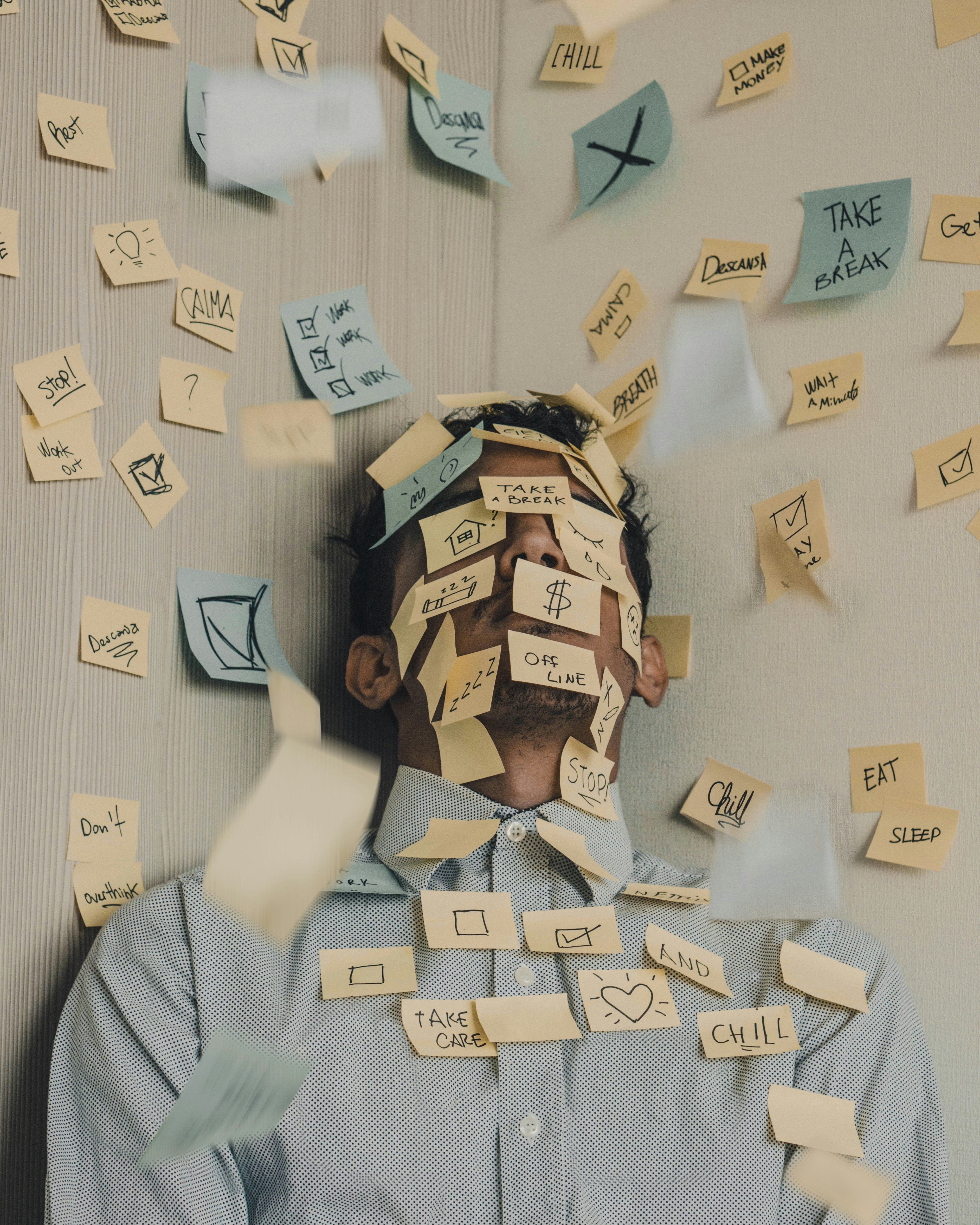
The holidays have a specific kind of difficulty that is different from ordinary stress. It is not the logistics, though those are real. It is not the expense, though that accumulates. It is something more disorienting: the experience of returning to a family system and finding that something in you returns with it.
You are forty years old and successful and have built a life you are genuinely proud of. You walk into your parents' house and within twenty minutes you are sixteen again. The old dynamic is running. The familiar role has snapped back into place. You are reacting in ways you thought you had moved past.
This is not regression or weakness. It is neurology. And understanding it makes the holidays significantly more navigable.
Why Family Systems Pull You Back
Family systems are among the most powerful organizers of human behavior. They develop over years, even decades, and they are maintained by subtle, often invisible forces: the way certain topics get changed, the way certain people's emotions set the temperature of a room, the unspoken agreements about who plays what role and what cannot be said.
When you leave a family system and build your own life, you develop new patterns, new responses, new ways of being in the world. Therapy, personal development, and the simple maturation of adulthood all contribute to genuine change.
What does not automatically change is the family system itself. It has been running without you. And when you return, it does not update to reflect who you have become. It pulls you back toward the role it knows.
The oldest sibling becomes the responsible one again. The family mediator starts managing tension. The one who was always too sensitive finds their sensitivity treated as the problem. These are not conscious choices. They are grooved relational patterns being activated by a familiar environment.
The Specific Dynamics That Make Holidays Hard
Several dynamics recur with particular consistency during family gatherings.
Triangulation: the tendency to involve a third party in a conflict between two people. Your mother tells you about her frustration with your sibling rather than addressing it directly. You are put in the position of managing a relationship you are not actually part of. The holiday becomes organized around managing a triangle rather than having genuine connection.
Role lock: the experience of being seen and responded to as the person you were rather than the person you are. Your achievements are minimized by people who still see you through an old lens. Your opinions carry less weight than they would in any other context. The identity you have built feels invisible.
Emotional contagion: the way one person's unregulated emotional state spreads through a family system. One family member's anxiety, anger, or grief can set the emotional tone for everyone else. People who are sensitive to others' emotional states may spend the entire gathering managing their own response to what is circulating in the room.
Unresolved history: the way old conflicts, old dynamics, and old wounds surface when the people involved are in the same room. The holidays have a particular capacity to bring up what has not been resolved because they are saturated with meaning and expectation.
What You Can Actually Control
You cannot change the family system during a holiday visit. That is worth saying clearly, because a significant amount of pre-holiday anxiety is generated by the hope or intention to have a different kind of family gathering than history suggests is likely.
What you can do is change your participation in the system.
You can decide in advance which roles you are not willing to play this year. You can identify your specific triggers and prepare responses rather than reactions. You can set clear limits on how long you will stay and what you will and will not engage with. You can create moments of genuine connection with the people in your family with whom connection is actually possible, rather than spending the visit trying to have connection with people who are not capable of offering it.
You can also give yourself permission to have whatever feelings the visit generates without adding a layer of judgment about having them. Grief that your family cannot be different. Frustration at being pulled back into old patterns. Sadness about what was never there and may never be. These are legitimate responses to a legitimate situation.
The Work That Actually Changes Things
The most lasting change in how you experience family gatherings comes from the work done outside of them. Individual therapy that addresses the specific relational patterns your family installed, the attachment strategies, the role you learned to play, the parts of yourself you learned to suppress, changes what you bring to the room.
This is not about blame. It is about understanding what was learned and whether it still serves you. The mediator who learned to keep the peace because conflict was genuinely dangerous can learn to let people manage their own conflicts. The sensitive one who learned to minimize their experience to avoid burdening others can learn that their experience is not a burden. The achiever whose worth was always contingent on performance can learn that they are enough without the resumé.
This work does not happen over one holiday season. It happens over time, in a consistent therapeutic relationship, one pattern at a time.
If the holidays bring up more than manageable stress, if you find yourself dreading them, or leaving them depleted in ways that take weeks to recover from, or recognizing patterns you have been carrying for decades and are ready to address, Bayside Wellness and Counseling offers individual therapy focused on exactly this kind of work. A free consultation is available.