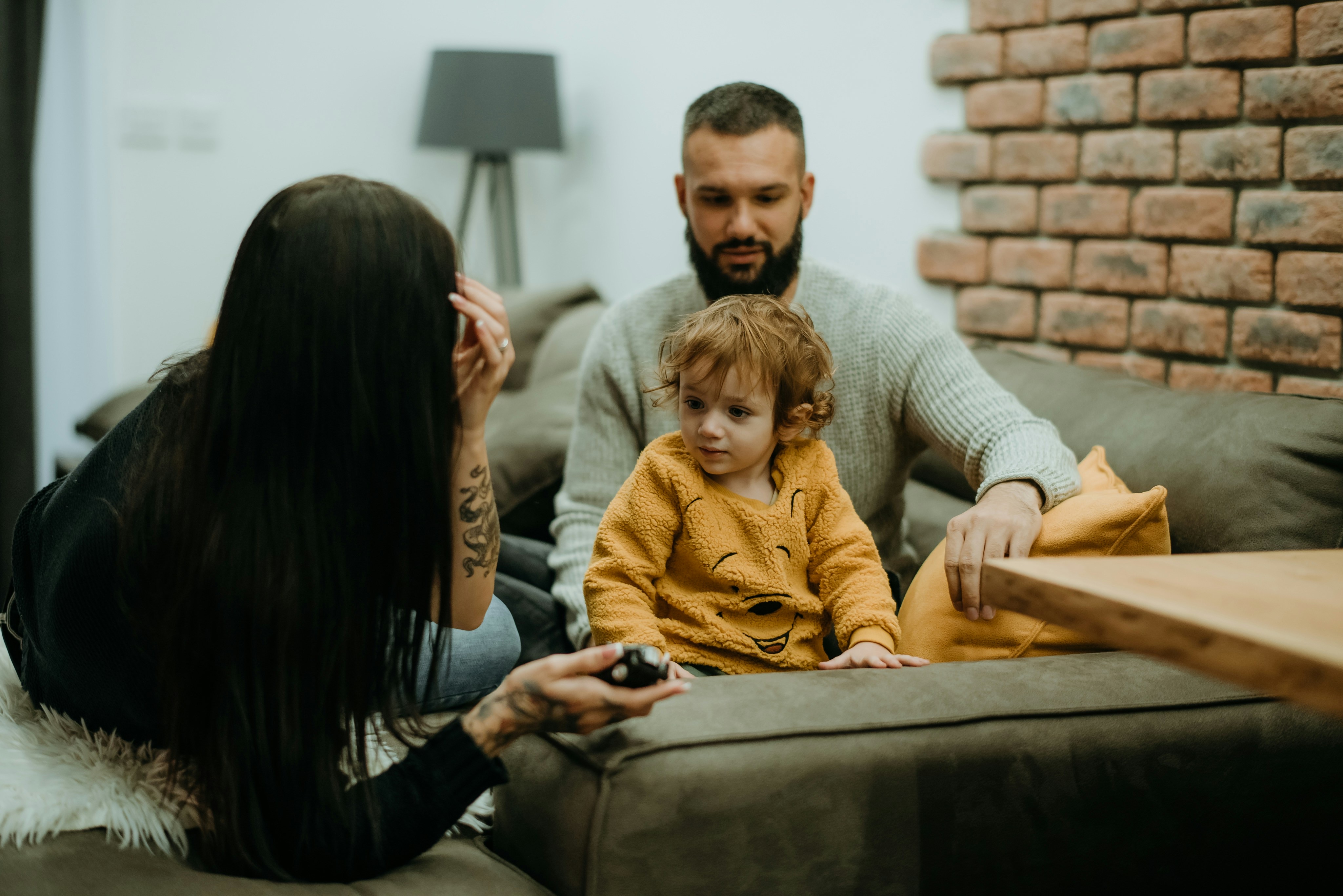
There is a common assumption that if a problem involves a family, the solution should involve the whole family. Therapy for family problems means family therapy. Everyone in the room, working on it together.
This assumption is understandable and often wrong.
The most durable changes in family dynamics frequently come from individual work done by one person. Not because the other family members don't matter, but because the patterns that generate family dysfunction are often sustained by individual psychology, and individual psychology is exactly what individual therapy is designed to address.
Why Family Dynamics Feel Stuck
Family systems develop their patterns over years. A parent's unresolved anxiety transmits to their parenting style, which shapes how their children learn to regulate emotion, which shapes how those children relate to their own families decades later. A marriage organized around one partner's emotional unavailability adapts to that unavailability, the other partner learns to expect less, stops asking, builds a life that does not depend on receiving what is not being offered.
These patterns feel stuck because they are. They are maintained by the participation of every person in the system, including the ones who most wish things were different.
The thing that changes stuck systems is change in one element of the system. Not dramatic change, not change demanded from others, but genuine change in how one person shows up, responds, and participates. This is what makes individual therapy so powerful for family dynamics: when one person genuinely changes, the system has to reorganize around that change.
What Changes When You Change
When a parent does their own therapeutic work, addresses their anxiety, understands their attachment patterns, develops the capacity to be present rather than reactive, their children experience a different parent. Not a perfect parent. A more regulated, more available, more consistent one. Children's nervous systems are extraordinarily sensitive to parental regulation. The parent who has worked on their own material transmits less of it.
When a partner does their own therapeutic work, develops the capacity for genuine emotional presence, understands what they bring to conflict, learns to repair after rupture rather than withdraw, the relationship changes. Not because their partner has changed but because the dynamic between them has. The pursuers and withdrawers in long-term relationships often find that when one person genuinely changes their participation in the dance, the dance itself becomes something different.
When an adult child does their own therapeutic work, understands the role they were assigned in their family system, recognizes when they are being pulled back into it, develops the capacity to respond rather than react, the relationship with their family of origin shifts. Not always dramatically, not always in ways the family acknowledges or welcomes, but in ways that matter to the person doing the work.
The Specific Work That Changes Family Patterns
Individual therapy addresses family dynamics through several interlocking processes.
Understanding attachment patterns: Most family dysfunction is attachment dysfunction. Understanding your own attachment style, how you learned to seek and respond to connection, illuminates both what you received from your family of origin and what you bring to the family you are creating. This understanding is the foundation of genuine change.
Processing family of origin material: The experiences from your family of origin that were overwhelming, confusing, or never acknowledged do not simply disappear because you have grown up and moved away. They live in the nervous system. EMDR, IFS, and psychodynamic therapy each offer different pathways to processing this material in ways that reduce its ongoing influence.
Building emotional regulation: Many family conflicts are regulation problems before they are communication problems. The parent who explodes, the partner who shuts down, the family member who escalates, these responses are often not chosen. They are the nervous system doing what it learned to do under pressure. Building genuine emotional regulation capacity changes what is available in high-stakes moments.
Developing differentiation: Differentiation is the capacity to maintain your own sense of self within close relationships, to be connected without being fused, to stay clear about what you think and feel even when others in the system are pressuring you toward conformity. Developing differentiation is among the most significant things individual therapy can produce, and it changes every relationship the person is part of.
A Word About Children
For parents who are concerned about the effect of their own struggles on their children, individual therapy is often the most direct investment they can make. Children do not need their parents to be perfect. They need their parents to be regulated, present, and capable of repair.
A parent who has done their own work, who understands their triggers, has processed their history, can tolerate their child's difficult emotions without being overwhelmed by them, provides something that no amount of parenting strategy or family therapy technique can substitute for: a genuinely safe relational base.
The most important thing you can give your children is not a technique. It is a version of yourself that has done enough of its own healing to be present without contaminating the present with the past.
If you are ready to do that work, individual therapy at Bayside Wellness and Counseling is available. A free consultation is the starting point, a real conversation about where you are and what you want for yourself and for the people you love.